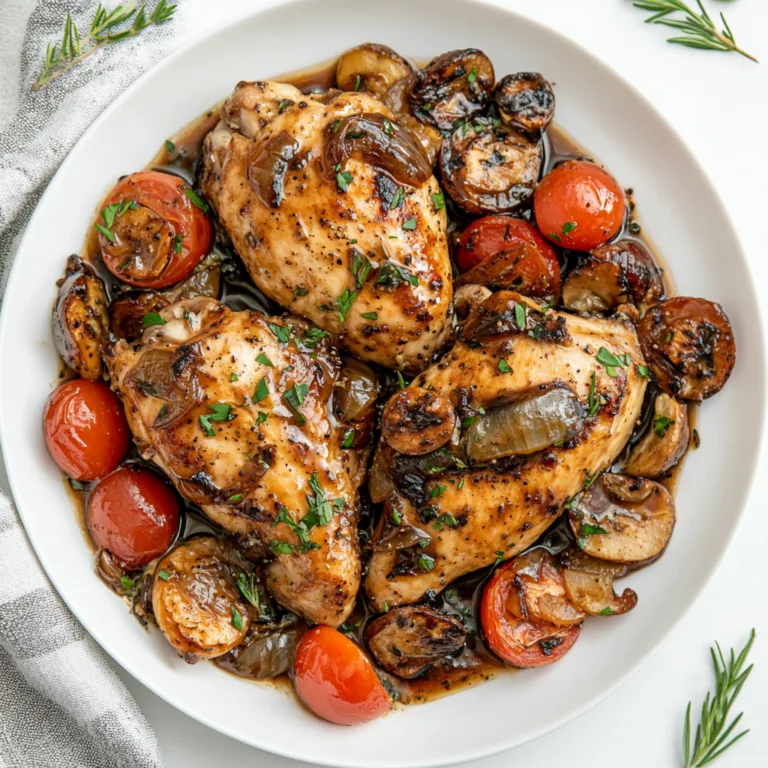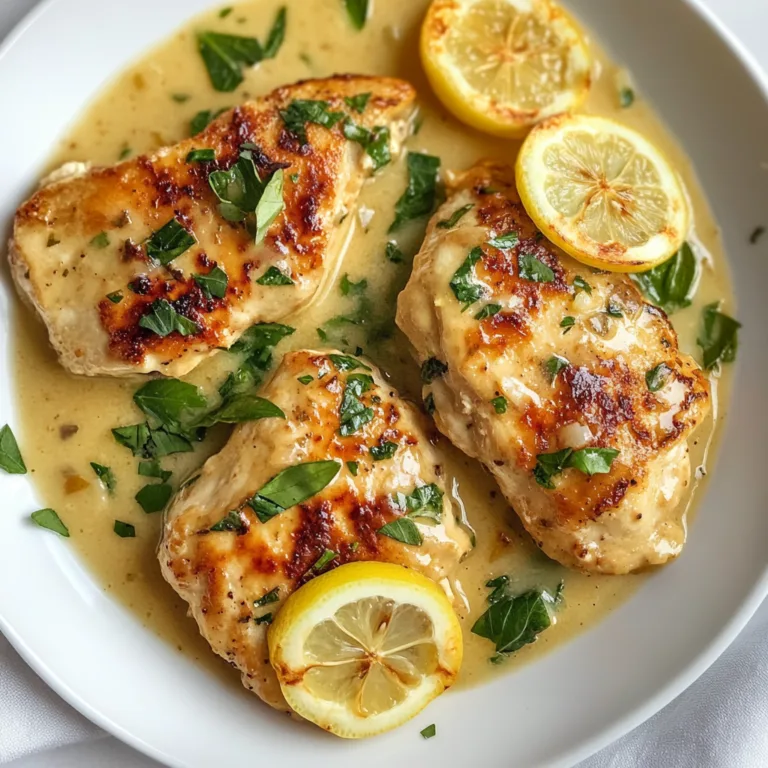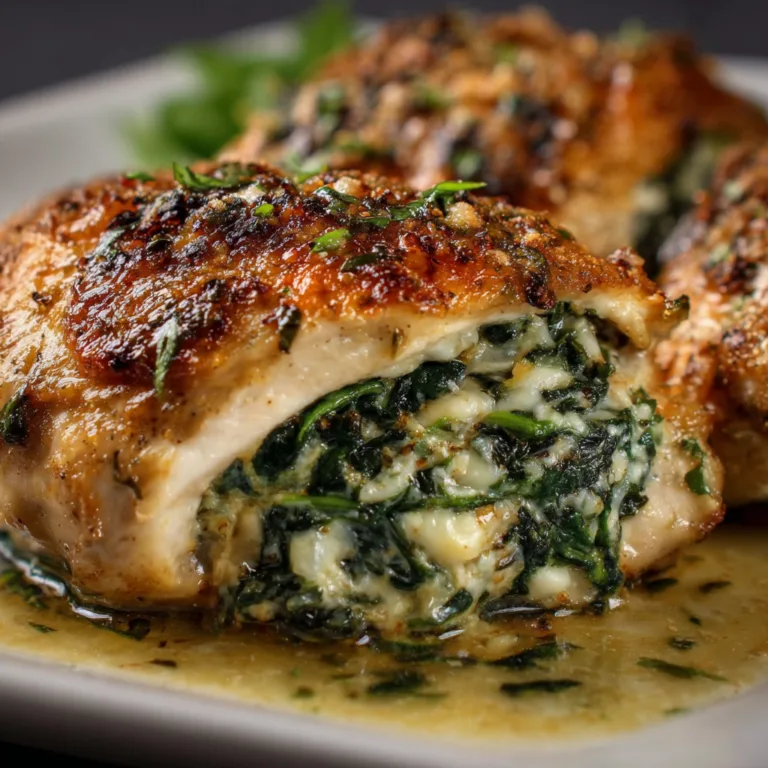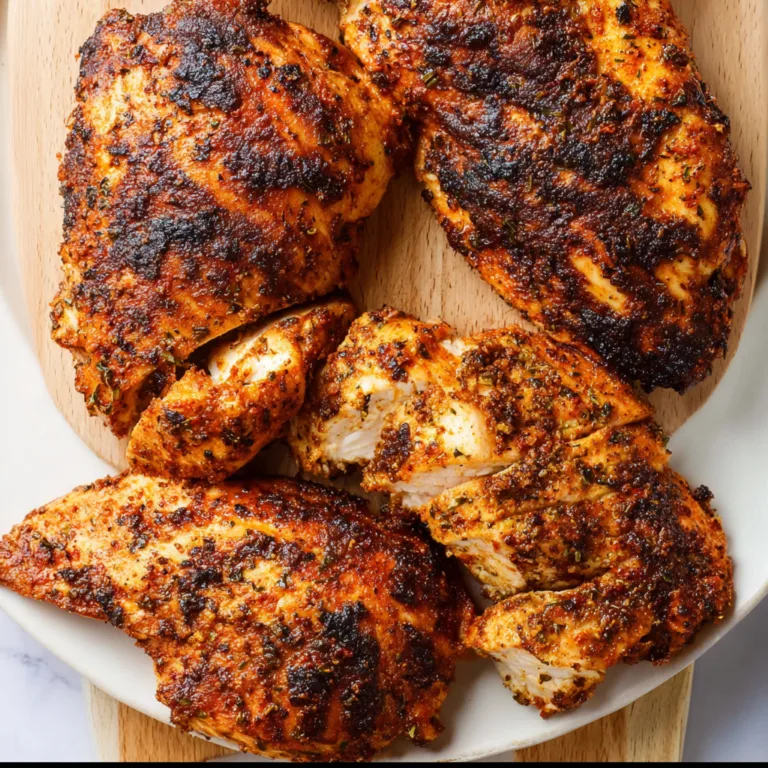

One-pan balsamic chicken sears chicken, then simmers it in a balsamic-honey pan sauce with cherry tomatoes and green beans added directly to the skillet, ready in about 35 minutes. Adding the vegetables straight into the balsamic-honey sauce rather than cooking them separately means they soften in the same liquid that flavors the chicken, keeping the whole dish to one pan.
One-Pan Balsamic Chicken
Ingredients
- 4 boneless, skinless chicken breasts or thighs
- 2 tablespoons olive oil
- 1 teaspoon salt
- ½ teaspoon black pepper
- 1 teaspoon Italian seasoning
- 3 cloves garlic, minced
- ⅓ cup balsamic vinegar
- 2 tablespoons honey or brown sugar
- ½ cup chicken broth
- 1 cup cherry tomatoes
- 1 cup green beans or asparagus
- Optional garnish: fresh basil or parsley
Instructions
- Season chicken on both sides with salt, pepper, and Italian seasoning.
- Heat olive oil in a large skillet over medium-high heat.
- Add chicken and sear for 4–5 minutes per side until golden. Remove and set aside.
- Reduce heat to medium and add garlic to the pan, sautéing for 30 seconds.
- Pour in balsamic vinegar, honey, and chicken broth, stirring to combine.
- Add tomatoes and green beans to the skillet.
- Return chicken to the pan and spoon sauce over the top.
- Cover and simmer for 12–15 minutes until chicken is cooked through and sauce thickens slightly.
- Garnish with fresh herbs and serve warm.
Recipe Notes
- Chicken thighs stay extra juicy, but breasts work just as well.
- If sauce becomes too thick, add a splash of chicken broth.
- This dish pairs beautifully with rice, mashed potatoes, or crusty bread.
Nutrition
- Serving Size
- 1 chicken portion
- Calories
- 390
- Sugar
- 9g
- Sodium
- 620mg
- Fat
- 18g
- Saturated Fat
- 3g
- Unsaturated Fat
- 14g
- Trans Fat
- 0g
- Carbohydrates
- 16g
- Fiber
- 2g
- Protein
- 38g
- Cholesterol
- 115mg
Why the sauce is built after the chicken comes out
- Searing the chicken first and setting it aside before building the sauce means the balsamic vinegar and honey reduction picks up the browned bits the chicken left in the pan.
- Covering the skillet while the chicken finishes simmering in the sauce, as the instructions specify, traps heat so both the chicken and vegetables cook through evenly in the 12-15 minute window.
How to get a balsamic glaze that coats
- Cover the pan during the final simmer, as the instructions specify, so the chicken cooks through fully while the sauce thickens slightly.
- Thin the sauce with a splash of chicken broth if it becomes too thick, per the recipe's own notes.
Troubleshooting
The sauce is too thick or too thin.
Add a splash of chicken broth if it's too thick, exactly as the recipe's own notes suggest, or simmer uncovered a bit longer if it needs to reduce further.
The green beans are undercooked.
Cut them smaller next time, or add them a few minutes before the tomatoes so they have more time in the covered simmer to become tender.
Sauce is too thin.
don’t panic! Simply remove the chicken and vegetables, then simmer the sauce alone until it reaches your desired consistency.
Refrigerate promptly and use within 3 to 4 days. Reheat gently with the sauce, so the chicken warms in the glaze rather than drying out, until it reaches 165°F (74°C).
Serve with rice, mashed potatoes, or crusty bread to catch the balsamic sauce.
Frequently asked questions
Can I use boneless chicken breasts instead of thighs?
Yes! Reduce cooking time to about 6-8 minutes per side and check with a meat thermometer for an internal temperature of 165°F to prevent drying out.
How can I make this one-pan balsamic chicken gluten-free?
The recipe is naturally gluten-free if you use pure balsamic vinegar. Double-check any store-bought stock or additional seasonings for hidden gluten ingredients.
Can I prep this dish ahead of time?
Absolutely! Marinate the chicken in some of the balsamic mixture for up to 24 hours, and chop vegetables in advance. Cook just before serving for best results.
What’s the best way to achieve a thick balsamic glaze?
Patience is key—simmer on medium-low heat until reduced by half. For quicker results, add 1 teaspoon cornstarch mixed with water during the final cooking stage.
Why did my vegetables turn out soggy?
Overcrowding the pan creates steam instead of caramelization. Use a larger pan or roast vegetables separately if needed for better texture.
Save this recipe for later
Keep this recipe handy when you are planning another chicken dinner.
Save on Pinterest