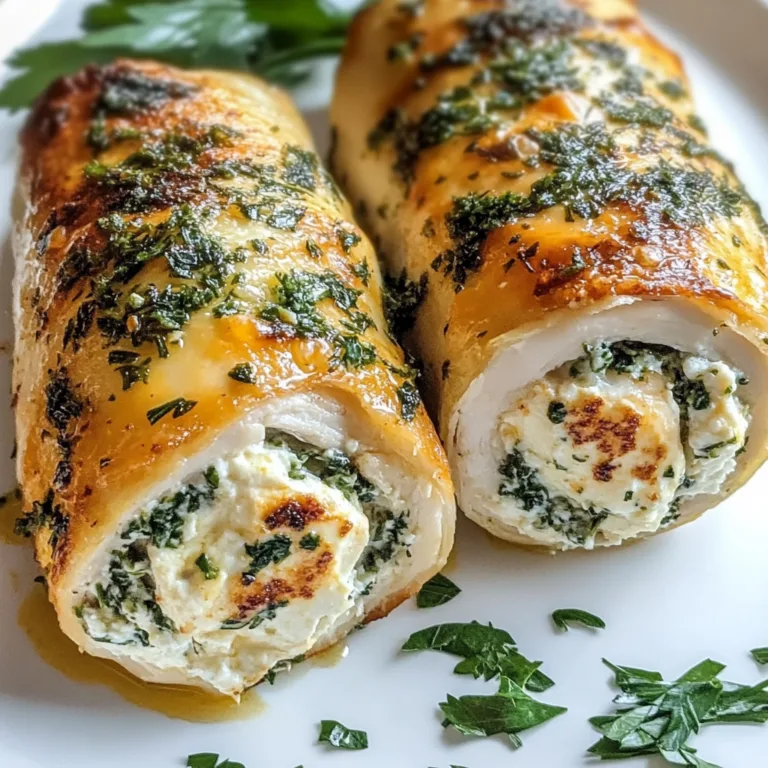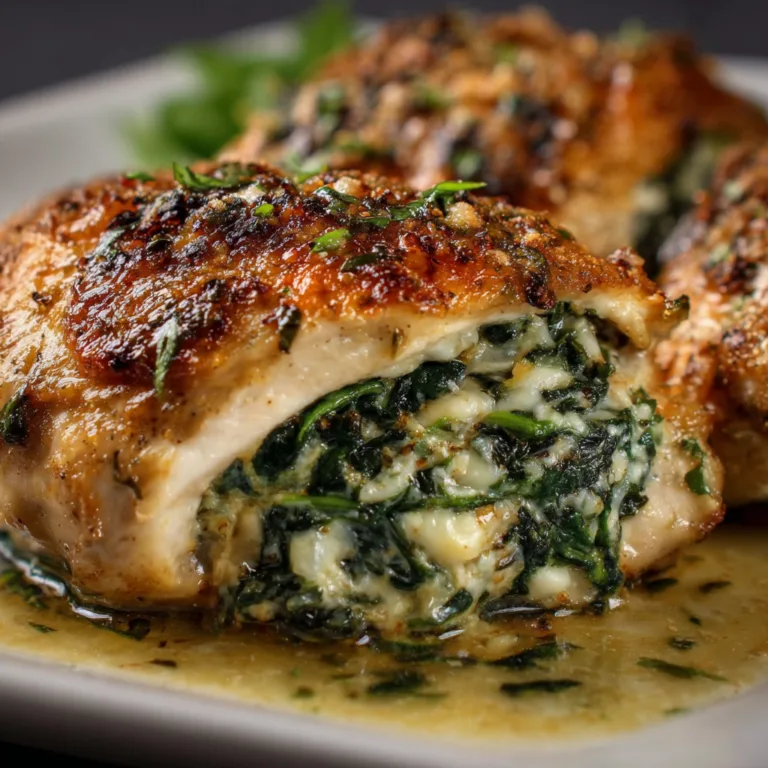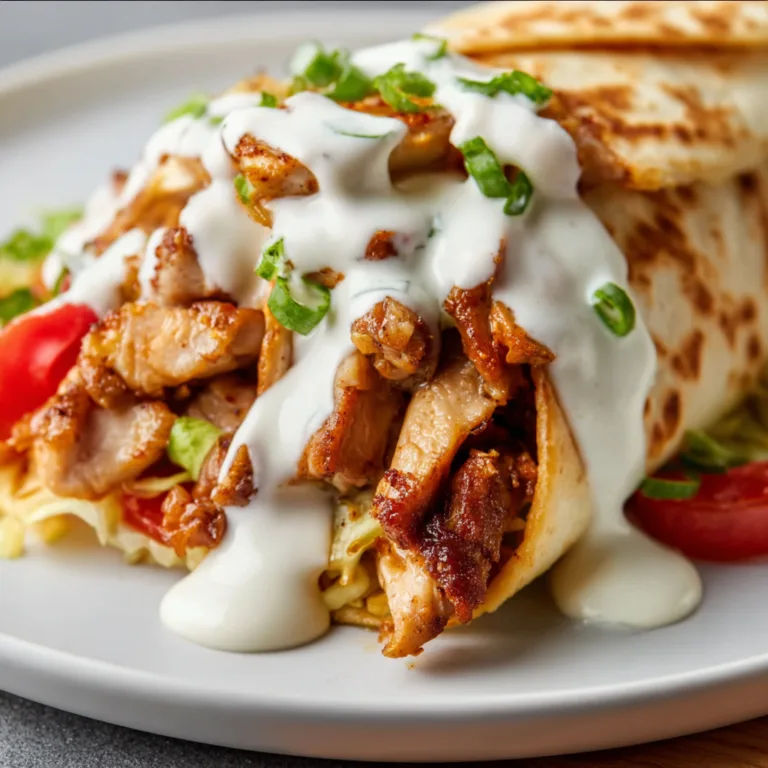

Herbed ricotta stuffed chicken rolls spread a lemon-herb ricotta filling over pounded chicken breasts, roll them up, and bake seam-side down until cooked through, ready in about 50 minutes. Placing the rolled chicken seam-side down in the baking dish, as the instructions specify, uses gravity and the dish's contact to help keep each roll closed while it bakes.
Herbed Ricotta Stuffed Chicken Rolls
Ingredients
- 4 boneless, skinless chicken breasts
- 1 cup ricotta cheese
- 1 teaspoon lemon zest
- 2 cloves garlic, minced
- 1 tablespoon fresh parsley, finely chopped
- 1 tablespoon fresh basil, finely chopped
- 1 teaspoon dried oregano
- ½ teaspoon salt
- ½ teaspoon black pepper
- 2 tablespoons olive oil
- ½ teaspoon paprika
- Optional: grated Parmesan cheese for topping
Instructions
- Preheat oven to 375°F (190°C).
- Place chicken breasts between two sheets of parchment paper and pound to even thickness.
- In a bowl, mix ricotta, lemon zest, garlic, parsley, basil, oregano, salt, and pepper.
- Spread ricotta mixture evenly over each chicken breast.
- Roll chicken tightly and secure with toothpicks if needed.
- Brush chicken rolls with olive oil and sprinkle with paprika.
- Place seam-side down in a greased baking dish.
- Bake uncovered for 30–35 minutes until chicken is cooked through.
- Optional: Sprinkle Parmesan on top during the last 5 minutes of baking.
- Rest for 5 minutes before serving.
Recipe Notes
- Use whole-milk ricotta for the creamiest filling.
- Do not overfill the chicken to prevent leakage during baking.
- These chicken rolls pair well with a light cream sauce or tomato-based sauce.
Nutrition
- Serving Size
- 1 chicken roll
- Calories
- 420
- Sugar
- 2g
- Sodium
- 540mg
- Fat
- 22g
- Saturated Fat
- 7g
- Unsaturated Fat
- 14g
- Trans Fat
- 0g
- Carbohydrates
- 6g
- Fiber
- 0g
- Protein
- 44g
- Cholesterol
- 125mg
Why the chicken is pounded before filling
- Pounding the chicken to an even thickness before filling, as the instructions specify, makes it pliable enough to roll around the ricotta filling without cracking or tearing.
- Baking uncovered for the full 30-35 minutes lets the exterior develop color and the filling set, rather than staying pale and soft under trapped steam.
How to keep the filling inside the rolls
- Don't overfill the chicken, exactly as the recipe's own notes caution, to prevent leakage during baking.
- Secure with toothpicks if needed, as the instructions specify, removing them before serving.
Troubleshooting
The filling leaked out during baking.
This is usually from overfilling. Use a moderate amount of ricotta mixture per breast, exactly as the recipe's own notes caution, and make sure each roll is placed seam-side down.
The chicken tore while rolling.
Pound it to a more even, slightly thinner thickness next time, since chicken that's too thick or unevenly pounded is more prone to tearing when rolled tightly.
Filling leaks during cooking.
you likely overstuffed the chicken or didn’t secure the rolls properly. Next time, use less filling and add an extra toothpick or two. Chicken turning out dry usually indicates overcooking—invest in a reliable meat thermometer and remove the rolls from the oven as soon as they reach 165°F.
Refrigerate promptly and use within 3 to 4 days. Reheat gently and covered so the rolls do not dry out, until the centre of the chicken reaches 165°F (74°C).
The recipe's own notes say these chicken rolls pair well with a light cream sauce or tomato-based sauce.
Frequently asked questions
Can I make Herbed Ricotta Stuffed Chicken Rolls ahead of time?
Yes! Assemble the rolls up to 24 hours in advance, cover tightly with plastic wrap, and refrigerate. Allow them to sit at room temperature for 15 minutes before cooking for even baking.
What herbs work best in the ricotta filling?
Fresh herbs provide the best flavor. Basil, parsley, chives, and thyme create a classic combination, but rosemary, sage, or tarragon can offer interesting variations depending on your preference.
Can I use chicken thighs instead of breasts?
Boneless, skinless chicken thighs can work, though they’re smaller and harder to roll. Pound them very thin and expect to make more rolls with less filling in each.
How do I prevent the filling from leaking out?
Don’t overfill the chicken, leave a border around the edges when spreading the filling, and secure the rolls with toothpicks placed parallel to the roll direction.
Is there a dairy-free alternative for the ricotta filling?
Dairy-free ricotta alternatives made from tofu or nuts work well. Season generously and add a tablespoon of nutritional yeast to replicate the cheesy flavor profile.
Save this recipe for later
Keep this recipe handy when you are planning another chicken dinner.
Save on Pinterest